
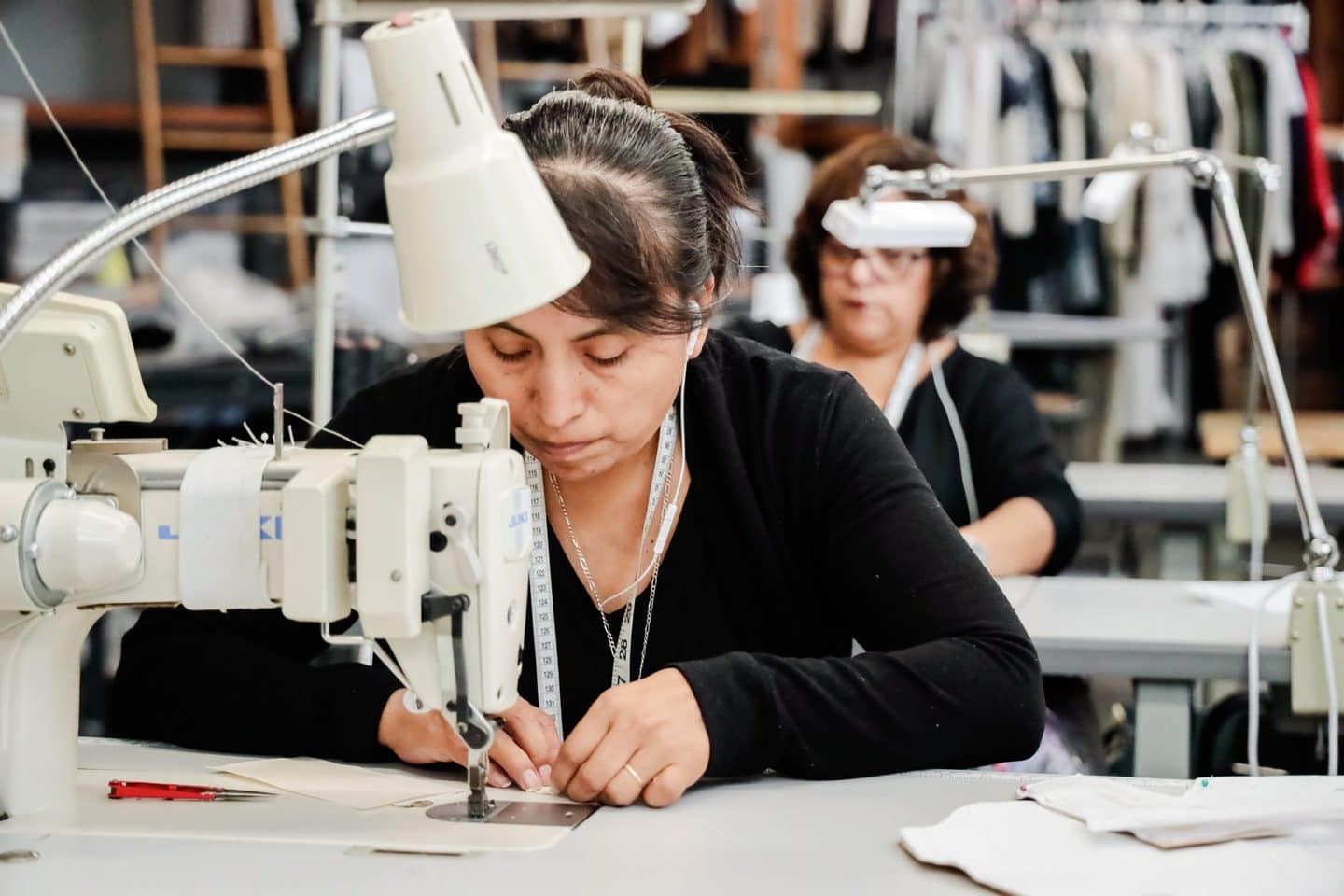
Global fashion revolution is reshaping the way clothing is produced and consumed around the world. At the heart of this transformation lies the rise of cut and sew service, a manufacturing model that is gaining significant traction in international markets. This approach, which involves cutting fabric according to pre-designed patterns and then sewing the pieces together, has become a cornerstone of modern apparel production. As brands and consumers increasingly prioritize customization, sustainability, and cost-effectiveness, the demand for cut and sew services has surged, leading to a reconfiguration of global supply chains.
The Evolution of Cut and Sew Services
Cut and sew services have evolved from a niche manufacturing technique to a mainstream solution for fashion brands seeking flexibility and efficiency. Traditionally, garment production involved separate stages—cutting and sewing were handled by different entities. However, the integration of these processes under one roof has streamlined operations, reducing lead times and minimizing waste. This shift has been particularly beneficial for small and medium-sized enterprises (SMEs) that lack the resources to manage complex supply chains independently. By outsourcing to cut and sew providers, these businesses can focus on design and marketing while ensuring high-quality production.
Benefits of Cut and Sew Services
One of the primary advantages of cut and sew services is their ability to support mass customization. In an era where consumers seek unique, personalized items, this model allows brands to produce limited quantities of tailored designs without the need for large-scale manufacturing. This not only reduces overproduction but also aligns with the growing trend of sustainable fashion. Additionally, cut and sew services enable faster turnaround times, allowing brands to respond swiftly to changing trends and consumer preferences.
Another key benefit is cost-efficiency. By consolidating cutting and sewing into a single process, companies can reduce labor costs and minimize material waste. This is especially important in regions where labor is expensive, as it allows brands to maintain competitive pricing while still delivering quality products. Moreover, the scalability of cut and sew services makes them ideal for both small-batch and large-volume production, offering flexibility that traditional manufacturing methods often lack.
Impact on International Markets
The global fashion industry has witnessed a surge in demand for cut and sew services, driven by the expansion of e-commerce and the rise of direct-to-consumer (DTC) brands. These platforms allow designers to reach audiences worldwide, creating a need for efficient and reliable production solutions. Cut and sew services provide the infrastructure necessary to meet this demand, enabling brands to scale their operations without compromising on quality or timelines.
In emerging markets, such as Southeast Asia and Eastern Europe, the adoption of cut and sew services has spurred economic growth and job creation. Countries like Vietnam, Bangladesh, and Poland have become hubs for textile manufacturing, leveraging their skilled labor forces and lower production costs to attract international clients. This has led to increased investment in infrastructure and technology, further enhancing the capabilities of cut and sew providers.
Challenges and Opportunities
Despite its many benefits, the cut and sew industry is not without challenges. One of the main concerns is maintaining consistent quality across different production sites. With the proliferation of service providers, ensuring adherence to brand standards can be difficult. To address this, many companies are investing in digital monitoring systems and quality control protocols to maintain oversight throughout the production process.
Another challenge is the environmental impact of fast fashion, which has raised questions about the sustainability of cut and sew services. While the model itself is inherently more efficient than traditional methods, the pressure to produce quickly and cheaply can lead to overconsumption and waste. However, there is a growing movement within the industry to adopt eco-friendly practices, such as using organic materials, recycling fabric scraps, and implementing energy-efficient production techniques.
The Future of Cut and Sew Services
Looking ahead, the future of cut and sew services appears promising. Advances in automation and artificial intelligence are set to further enhance efficiency and precision, making it even easier for brands to produce high-quality garments at scale. Additionally, the increasing emphasis on transparency and ethical sourcing is likely to drive demand for cut and sew providers that prioritize sustainability and fair labor practices.
As the global fashion landscape continues to evolve, cut and sew services will play a crucial role in shaping the industry’s next chapter. By embracing innovation, addressing challenges, and aligning with consumer values, this model is well-positioned to meet the demands of a rapidly changing market. Whether through customization, cost savings, or sustainability, cut and sew services are proving to be a powerful force in the global fashion revolution.
