
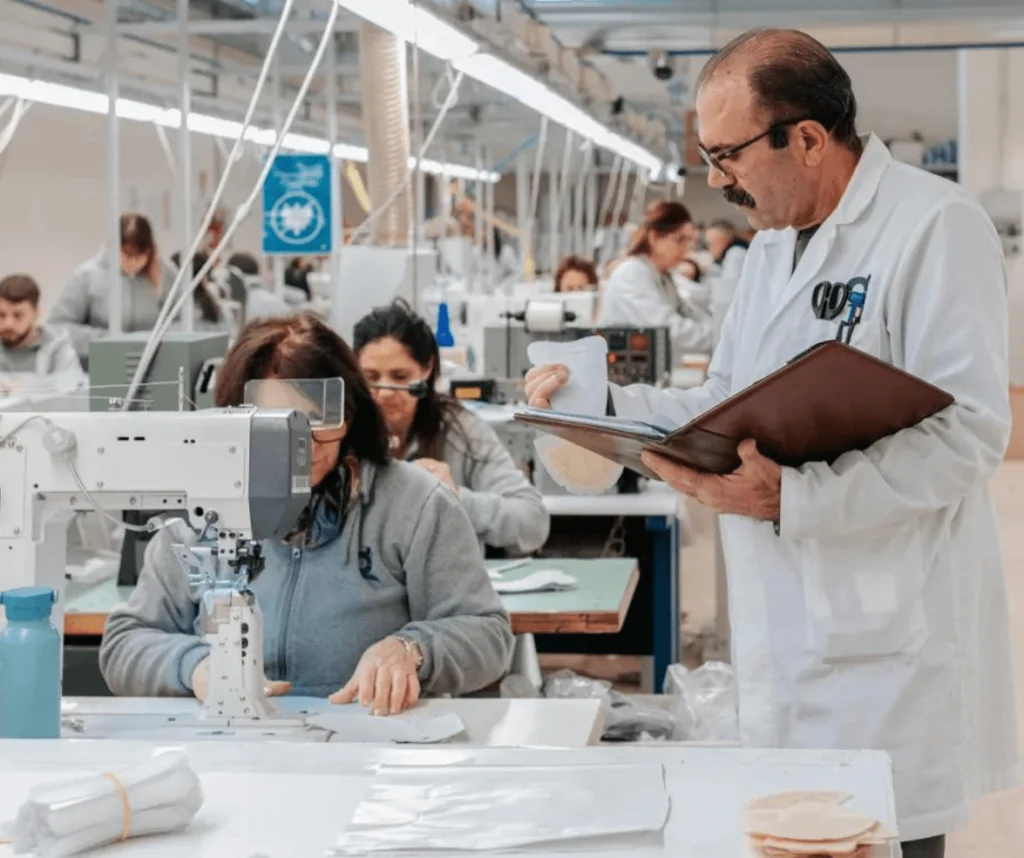
Global fashion has evolved into a dynamic and competitive industry, with men’s clothing manufacturers playing a pivotal role in shaping trends and setting standards. From classic tailoring to contemporary streetwear, these global leaders are redefining what it means to dress well. As consumers become more discerning, the demand for quality, sustainability, and innovation continues to rise, pushing manufacturers to adapt and excel. This article explores some of the best men’s clothing manufacturers worldwide, highlighting their contributions to the fashion landscape and their impact on the global market.
Timeless Craftsmanship: Italy’s Legacy in Men’s Fashion
Italy has long been synonymous with luxury and sophistication in men’s clothing. Brands like Brioni, Armani, and Gucci have set the benchmark for high-end tailoring, blending traditional techniques with modern aesthetics. Italian manufacturers are known for their meticulous attention to detail, using premium fabrics such as wool, cashmere, and silk to create garments that exude elegance. The country’s rich heritage in textile production, particularly in regions like Lombardy and Tuscany, ensures that each piece is not just clothing but a statement of craftsmanship.
The Italian approach to fashion emphasizes fit, fabric, and finish, making their products highly sought after by both designers and consumers. Many of these manufacturers also prioritize sustainability, sourcing materials responsibly and implementing eco-friendly production methods. This commitment to quality and ethics has helped Italian brands maintain their dominance in the global market, even as new competitors emerge from other parts of the world.
Innovation and Speed: The Rise of Fast Fashion in Asia
While Europe remains a stronghold for luxury menswear, Asia has emerged as a powerhouse in fast fashion and mass production. Countries like China, India, and Vietnam have revolutionized the industry with their ability to produce high-quality clothing at scale. Companies such as H&M, Zara, and Uniqlo have leveraged Asian manufacturing capabilities to offer affordable yet stylish options to a global audience.
These manufacturers have mastered the art of efficiency, utilizing advanced technologies and streamlined supply chains to deliver trendy pieces quickly. The focus on affordability and accessibility has made men’s fashion more inclusive, allowing a wider range of consumers to stay updated with the latest styles. However, this rapid production model has also raised concerns about labor practices and environmental impact, prompting many brands to adopt more sustainable and ethical approaches.
Cultural Fusion: The Influence of Japanese Design
Japan has carved out a unique niche in the global fashion scene, blending traditional Japanese aesthetics with modern design sensibilities. Brands like Shiseido, A Bathing Ape (BAPE), and Comme des Garçons have gained international acclaim for their innovative approaches to men’s clothing. Japanese manufacturers are renowned for their precision, minimalism, and attention to detail, often incorporating elements of nature and simplicity into their designs.
The influence of Japanese design can be seen in the popularity of unstructured blazers, oversized silhouettes, and monochromatic color palettes. This style has resonated with global audiences, inspiring designers across the world to experiment with form and function. Additionally, Japan’s emphasis on quality and longevity aligns with the growing consumer demand for sustainable fashion, further solidifying its position as a key player in the industry.
The Future of Men’s Clothing Manufacturing
As the fashion industry continues to evolve, the role of men’s clothing manufacturers is becoming more complex. With the rise of e-commerce, direct-to-consumer models, and digital customization, manufacturers must adapt to changing consumer preferences. Many are investing in smart textiles, 3D printing, and AI-driven design tools to stay ahead of the curve.
Sustainability is also a major focus, with an increasing number of manufacturers adopting circular economy principles. This includes using recycled materials, reducing waste, and promoting transparency throughout the supply chain. These efforts not only address environmental concerns but also appeal to a new generation of conscious consumers who value ethical production.
Conclusion
From the timeless elegance of Italian tailoring to the innovative speed of Asian manufacturing and the minimalist beauty of Japanese design, the global men’s clothing industry is a vibrant and ever-changing landscape. As consumers become more informed and demanding, the best manufacturers continue to push boundaries, ensuring that fashion remains both relevant and responsible. Whether you’re looking for a custom suit or a trendy casual outfit, the world’s top men’s clothing manufacturers are ready to meet your needs.
