
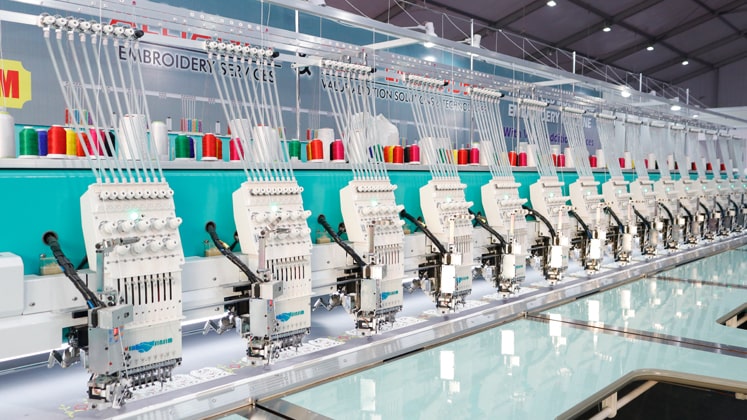
Global Trends in Embroidery Service: A Comprehensive Guide for International Markets have evolved significantly over the past decade, driven by technological advancements, changing consumer preferences, and a growing demand for personalized and high-quality textile products. As international markets continue to expand, embroidery services are becoming an essential component of fashion, corporate branding, and home décor industries. This guide explores the latest trends shaping the global embroidery service landscape and provides insights into how businesses can leverage these opportunities to thrive in diverse markets.
The Rise of Digital Embroidery Technologies
One of the most transformative developments in the embroidery industry is the adoption of digital embroidery technologies. Traditional hand-stitching methods are being replaced by automated systems that offer precision, speed, and consistency. These technologies allow for intricate designs to be produced at scale, making it easier for businesses to meet the demands of large orders without compromising on quality. Additionally, digital embroidery machines can integrate with design software, enabling customers to visualize their custom embroidery before production. This not only enhances the customer experience but also reduces errors and rework.
Customization and Personalization as Key Drivers
In today’s competitive market, customization and personalization have become critical factors for success. Consumers are increasingly seeking unique and tailored products that reflect their individuality or brand identity. This trend has led to a surge in demand for personalized embroidery services, particularly in sectors such as fashion, sports apparel, and promotional merchandise. Businesses that offer bespoke embroidery solutions are better positioned to capture niche markets and build long-term customer loyalty. For instance, companies specializing in custom monogramming or logo embroidery for uniforms and teamwear are experiencing significant growth.
Sustainability and Ethical Practices in Embroidery
As environmental consciousness grows, so does the demand for sustainable and ethically produced embroidery services. Consumers are more aware of the environmental impact of their purchases and are willing to pay a premium for eco-friendly options. This has prompted many embroidery service providers to adopt green practices, such as using organic threads, recycled materials, and energy-efficient machinery. Additionally, ethical labor practices and fair wages for workers are becoming key considerations for both consumers and businesses. Companies that prioritize sustainability and transparency in their operations are likely to gain a competitive edge in international markets.
Expansion of Embroidery Services into New Markets
The global embroidery service industry is witnessing a shift as emerging markets in Asia, Africa, and Latin America begin to play a more prominent role. Countries like India, China, and Brazil are investing heavily in textile manufacturing, creating new opportunities for embroidery service providers. These regions offer cost-effective production capabilities, which makes them attractive for international brands looking to outsource their embroidery needs. At the same time, local entrepreneurs are capitalizing on the growing demand for embroidered products within their own communities. This expansion is not only increasing the availability of embroidery services but also fostering innovation and competition.
The Role of E-commerce in Embroidery Service Growth
E-commerce has revolutionized the way embroidery services are marketed and sold globally. Online platforms provide businesses with access to a vast customer base, allowing them to reach international audiences with ease. Customers can now browse, customize, and purchase embroidered products from anywhere in the world, often with real-time updates on production status. Social media and digital marketing strategies have also played a crucial role in promoting embroidery services, helping businesses build brand awareness and engage with potential clients. As online shopping continues to grow, embroidery service providers must adapt to digital trends to remain relevant in the marketplace.
Challenges and Opportunities for International Businesses
While the global embroidery service market presents numerous opportunities, it also comes with its share of challenges. Language barriers, cultural differences, and varying regulatory requirements can complicate international operations. Moreover, the rise of counterfeit products and intellectual property issues poses a threat to legitimate businesses. To overcome these obstacles, companies must invest in research, develop strong supply chain partnerships, and ensure compliance with local regulations. By addressing these challenges proactively, businesses can unlock new markets and establish a solid presence in the global embroidery industry.
Conclusion
The global embroidery service industry is undergoing a dynamic transformation, driven by technological innovation, shifting consumer preferences, and the expansion of international markets. Businesses that embrace customization, sustainability, and digital integration are well-positioned to succeed in this evolving landscape. As the demand for personalized and high-quality embroidered products continues to grow, the future of embroidery services looks promising. With the right strategies and a commitment to excellence, international players can capitalize on these trends and achieve long-term success.
