
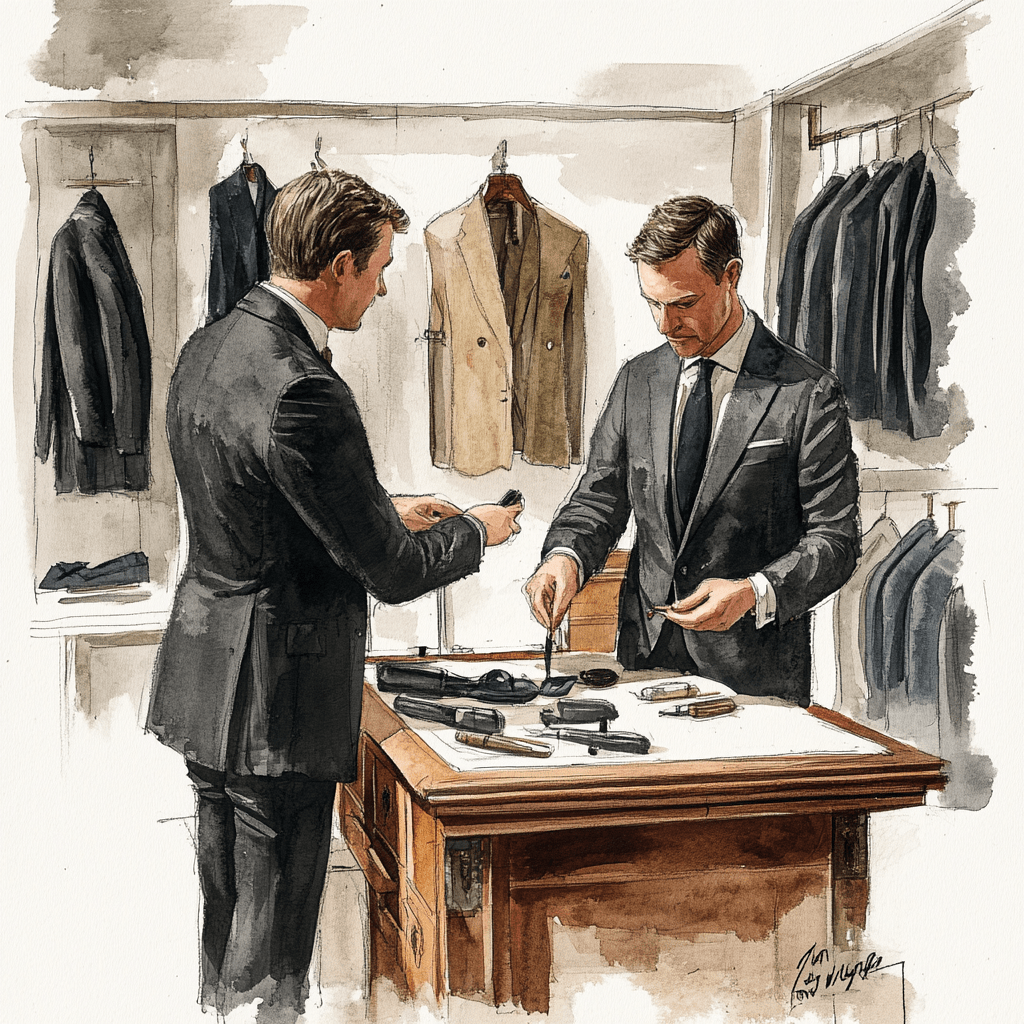
The world of bespoke tailoring is a realm where artistry meets precision, and tradition intertwines with innovation. From the cobblestone streets of London to the bustling markets of Milan and the vibrant ateliers of Tokyo, bespoke tailors have long been revered for their ability to craft garments that are not only functional but also deeply personal. This guide explores the essence of bespoke tailoring, its global significance, and how to navigate the world of custom-made clothing.
The Art of Bespoke Tailoring
Bespoke tailoring is more than just making clothes—it’s an intricate process that begins with a consultation between the client and the tailor. Unlike ready-to-wear or even made-to-measure options, bespoke garments are crafted entirely from scratch, tailored to the individual’s unique measurements, preferences, and lifestyle. Each piece is a reflection of the client’s personality, ensuring that no two suits are ever the same. This level of customization comes at a premium, but for those who value quality, fit, and exclusivity, it is worth every penny.
In many cultures, bespoke tailoring is considered a symbol of status and sophistication. In countries like Italy and Japan, for example, tailoring is seen as a form of craftsmanship that has been passed down through generations. The attention to detail, the use of high-quality fabrics, and the expertise of master tailors make these garments stand out in a world dominated by mass production.
Global Hotspots for Bespoke Tailor Services
While bespoke tailoring can be found in various parts of the world, certain cities have become synonymous with this craft. London, particularly the Savile Row area, is often regarded as the birthplace of modern bespoke tailoring. Here, iconic names like Gieves & Hawkes and Brioni have set the standard for luxury suiting. The tradition of hand-stitching, using premium fabrics, and creating garments that last for decades has made Savile Row a haven for connoisseurs of fine tailoring.
In Italy, cities like Milan and Naples have their own distinct styles. Neapolitan tailoring, known for its soft shoulder construction and lightweight fabrics, offers a more relaxed yet elegant look compared to the structured cuts of London. Brands such as Kiton and Zegna exemplify the Italian approach to tailoring, blending heritage with contemporary design.
Japan, on the other hand, brings a different perspective to bespoke tailoring. Japanese tailors emphasize precision and minimalism, resulting in garments that are both functional and aesthetically pleasing. Cities like Tokyo and Osaka are home to some of the most sought-after tailors, who combine traditional techniques with modern sensibilities to create truly unique pieces.
How to Choose the Right Bespoke Tailor
Selecting the right bespoke tailor is a crucial step in the process. It requires research, patience, and a clear understanding of what you want. Start by identifying your needs—do you need a suit for formal occasions, casual wear, or something more experimental? Once you have a vision, begin searching for tailors who specialize in that area.
Reading reviews and seeking recommendations can help narrow down your choices. Many tailors offer virtual consultations, which can be a great way to get a sense of their style and approach before committing to a physical meeting. During the initial consultation, be open about your preferences, budget, and expectations. A good tailor will listen carefully and provide guidance based on their expertise.
Another important factor to consider is the tailor’s reputation and experience. Look for tailors who have a proven track record of delivering high-quality work. Visiting their atelier or showroom can give you a better idea of their craftsmanship and the range of fabrics they offer. Additionally, inquire about the timeline for the project, as bespoke tailoring often takes several weeks or even months to complete.
The Benefits of Bespoke Tailoring
There are numerous advantages to choosing bespoke tailoring over off-the-rack or made-to-measure options. One of the most significant benefits is the perfect fit. Custom-made garments are designed to complement your body shape, ensuring that every stitch and seam is precisely placed. This level of accuracy not only enhances comfort but also makes the garment look more flattering.
Another advantage is the ability to personalize every aspect of the suit. From the choice of fabric and color to the type of buttons and lining, there are countless ways to make the garment uniquely yours. This level of customization allows you to express your individuality while still maintaining a professional appearance.
Bespoke tailoring also offers greater durability. High-quality fabrics and meticulous craftsmanship mean that the garment will last longer and maintain its shape and structure over time. This makes it a more sustainable option, as you are less likely to need frequent replacements.
The Future of Bespoke Tailoring
As the fashion industry continues to evolve, bespoke tailoring is adapting to new trends and technologies. While the core principles of the craft remain unchanged, many tailors are now incorporating digital tools to streamline the process. Virtual fitting rooms, 3D modeling, and online consultations are becoming more common, making it easier for clients to access bespoke services regardless of their location.
At the same time, there is a growing interest in sustainability and ethical practices within the tailoring industry. Many bespoke tailors are now sourcing eco-friendly materials and adopting responsible manufacturing processes. This shift reflects a broader movement towards conscious consumerism, where customers are increasingly aware of the environmental and social impact of their choices.
Despite these changes, the essence of bespoke tailoring remains the same: to create garments that are not only beautiful but also meaningful. Whether you’re looking for a classic suit or a modern, innovative design, the right tailor can bring your vision to life.
