
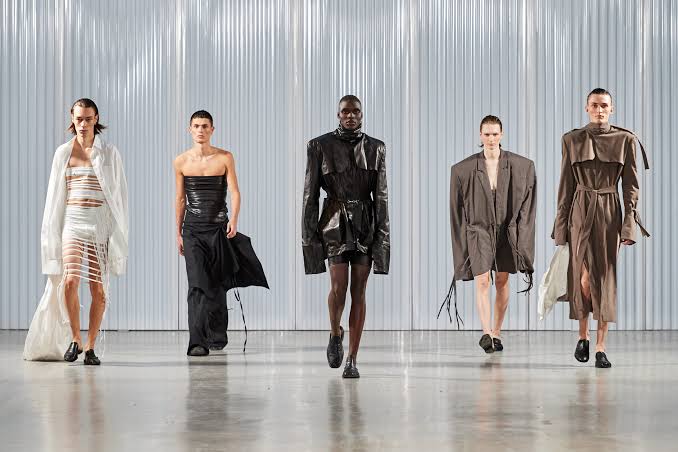
International Edition of Alteration and Tailoring Trends Shaping Global Fashion in 2025 is witnessing a remarkable transformation, driven by a blend of innovation, sustainability, and personalized style. As the fashion industry evolves, the demand for custom-fit garments and unique alterations has surged, reflecting a shift towards individuality and eco-conscious choices. This trend is not merely about adjusting clothing; it’s about redefining the relationship between consumers and their wardrobes. In 2025, the global fashion landscape is being reshaped by the growing popularity of tailored pieces that cater to specific body types and personal preferences. The rise of online platforms offering virtual fitting tools and AI-driven customization has made it easier than ever for individuals to achieve a perfect fit without the need for traditional in-person tailoring sessions.
The Rise of Personalized Fashion
Personalization has become a cornerstone of modern fashion, with consumers seeking garments that reflect their unique identities. In 2025, this trend has extended beyond simple monogramming to include fully customized designs, from fabric selection to stitching details. Tailors and designers are now leveraging advanced technologies such as 3D body scanning and digital pattern-making to create one-of-a-kind pieces that align with the wearer’s specifications. This shift is particularly evident in high-end fashion, where bespoke suits, dresses, and accessories are no longer reserved for the elite but are becoming more accessible through innovative business models. Additionally, the integration of augmented reality (AR) in retail spaces allows customers to visualize how a tailored garment will look on them before making a purchase, enhancing the overall shopping experience.
Sustainability and Ethical Tailoring
As environmental concerns continue to influence consumer behavior, the alteration and tailoring industry is playing a crucial role in promoting sustainable fashion. In 2025, there is a growing emphasis on extending the lifespan of clothing through thoughtful alterations rather than discarding outdated or ill-fitting items. This approach not only reduces textile waste but also encourages a more mindful consumption pattern. Many tailors and independent designers are now using recycled materials, organic fabrics, and eco-friendly dyes to create garments that are both stylish and environmentally responsible. Furthermore, the concept of “upcycling” has gained traction, with artisans transforming old or damaged clothing into new, fashionable pieces. This movement is supported by a rising number of consumers who prioritize ethical production practices and transparency in the supply chain.
The Role of Technology in Modern Tailoring
Technology has revolutionized the way alterations and tailoring are performed, making the process more efficient and precise. In 2025, automated sewing machines, laser cutting tools, and computer-aided design (CAD) software have become standard equipment in many tailoring studios. These advancements allow for greater accuracy and faster turnaround times, meeting the demands of a fast-paced fashion industry. Moreover, the use of artificial intelligence in analyzing body measurements ensures that each garment is tailored to the exact specifications of the customer. Online platforms have also emerged as key players in this space, offering virtual consultations, digital fittings, and even home delivery of altered garments. This technological integration has not only expanded the reach of tailoring services but has also made them more convenient for a global audience.
Cultural Influences on Tailoring Trends
The global nature of the fashion industry means that cultural influences play a significant role in shaping tailoring trends. In 2025, there is a renewed appreciation for traditional craftsmanship, with many designers drawing inspiration from heritage techniques across different regions. For example, Japanese sashiko embroidery, Indian hand-stitching, and Scandinavian minimalism are all finding their way into contemporary tailoring practices. This fusion of styles has led to the creation of garments that are both culturally rich and modern in design. Additionally, the increasing diversity of fashion influencers and models has prompted a greater demand for inclusive sizing and adaptive tailoring, ensuring that garments can be customized to suit a wide range of body types and cultural aesthetics.
The Future of Alteration and Tailoring
Looking ahead, the future of alteration and tailoring appears to be deeply intertwined with technological innovation and a commitment to sustainability. As the industry continues to evolve, we can expect to see even more seamless integration of digital tools and eco-conscious practices. The rise of smart textiles and wearable technology may also introduce new possibilities for dynamic alterations, allowing garments to adjust in real-time based on the wearer’s movements or environmental conditions. Furthermore, the growing emphasis on personalization is likely to drive further collaboration between consumers, designers, and tailors, creating a more interactive and inclusive fashion ecosystem. In 2025, the global fashion industry is not just embracing change—it is actively shaping it through the art of alteration and tailoring.
