
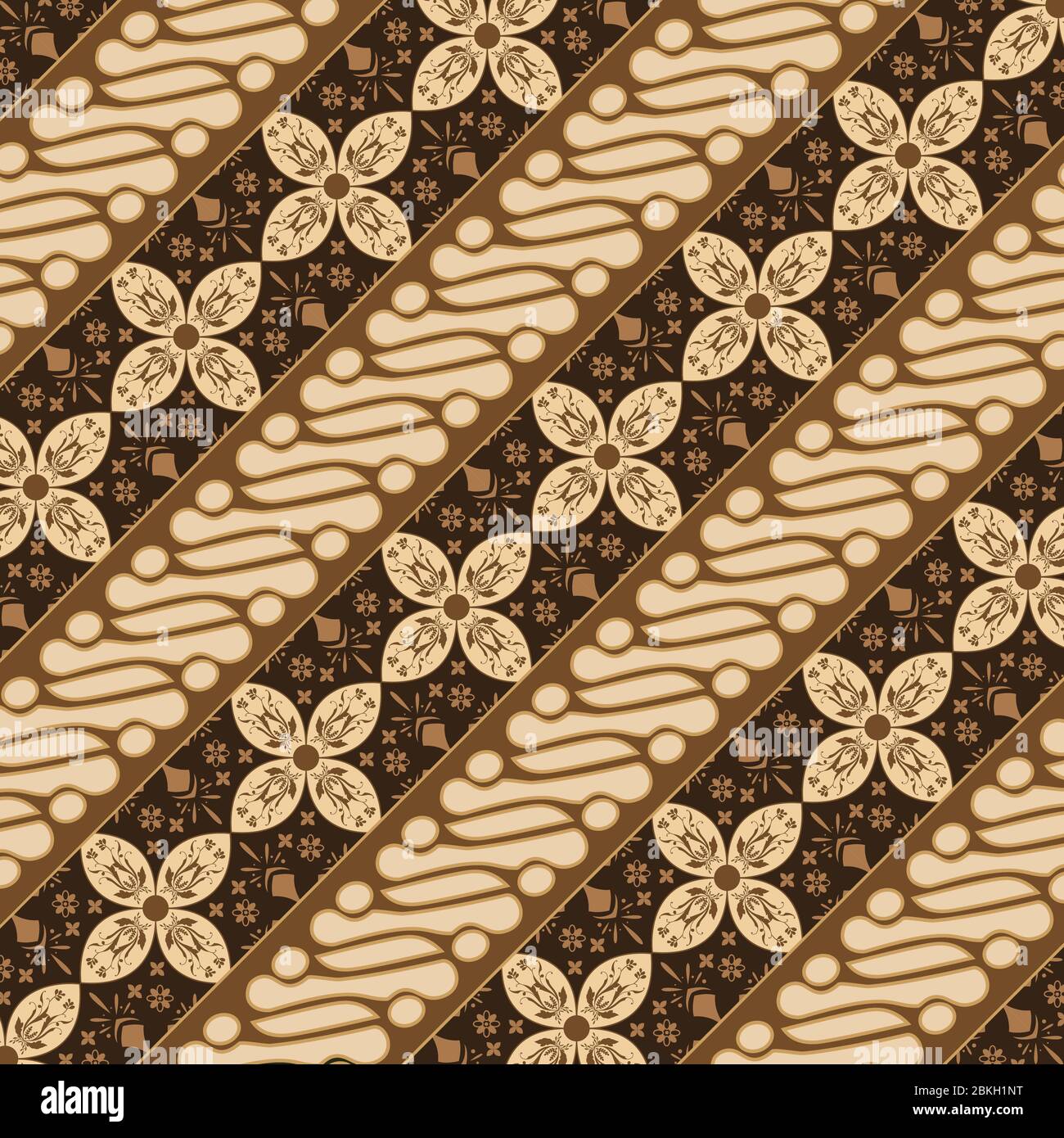
Batik Garment Service: Preserving Tradition in Modern Fashion Worldwide is more than just a textile; it is a cultural symbol that has transcended time and geography. Originating from Indonesia, batik is a traditional fabric that is handwoven using intricate wax-resist dyeing techniques. The art of batik dates back to the 12th century and has been passed down through generations, preserving its unique patterns and meanings. Today, batik is not only cherished within Indonesian communities but has also found its way into global fashion, where it is reinterpreted and adapted to suit modern aesthetics. This evolution highlights the resilience of traditional crafts in an ever-changing world.
The Cultural Significance of Batik
Batik is deeply rooted in Indonesian culture, with each pattern carrying specific symbolism and meaning. For instance, the “Parang” motif, which features continuous diagonal lines, represents strength and perseverance, while the “Kawung” design, with its circular shapes, symbolizes purity and harmony. These motifs are often used in ceremonial attire, such as for weddings, religious events, and royal ceremonies, making batik an essential part of Indonesia’s heritage. The craftsmanship involved in creating batik is meticulous, requiring skilled artisans who have spent years mastering the technique. Each piece is a labor of love, reflecting the cultural identity of the region.
The Rise of Batik in Global Fashion
In recent years, batik has gained international recognition, thanks to the efforts of designers and fashion houses that have incorporated this traditional fabric into contemporary collections. International fashion brands have begun to collaborate with Indonesian artisans, bringing batik to the global stage. This fusion of tradition and modernity has allowed batik to reach new audiences while maintaining its cultural authenticity. For example, high-end fashion designers have used batik in evening gowns, jackets, and accessories, showcasing its versatility and elegance.
The global demand for batik has also led to the growth of batik garment services, which specialize in creating custom-made clothing using this traditional fabric. These services cater to both local and international clients, offering a range of options from formal wear to casual outfits. By providing access to batik garments, these services help preserve the craft while making it accessible to a wider audience.
Challenges and Opportunities for Batik Artisans
Despite its growing popularity, the batik industry faces several challenges. One of the main issues is the decline in the number of skilled artisans, as younger generations are less inclined to pursue this traditional craft. Additionally, mass-produced imitations of batik have flooded the market, threatening the authenticity of genuine batik products. To address these challenges, various initiatives have been launched to support batik artisans, including training programs, financial assistance, and marketing strategies to promote authentic batik.
On the other hand, the rise of e-commerce and digital platforms has opened up new opportunities for batik artisans to reach a global audience. Online marketplaces allow independent designers and small businesses to showcase their batik creations to customers around the world. Social media has also played a significant role in raising awareness about batik, with influencers and fashion bloggers highlighting its beauty and cultural significance.
Sustainability and Ethical Practices in Batik Production
As the fashion industry becomes increasingly conscious of sustainability, batik has emerged as a sustainable alternative to mass-produced textiles. The traditional methods used in batik production are often eco-friendly, relying on natural dyes and manual techniques that minimize environmental impact. Many batik artisans are now adopting ethical practices, ensuring fair wages for workers and promoting environmentally responsible production.
Consumers are also becoming more aware of the importance of supporting sustainable and ethical fashion. By choosing batik garments, buyers contribute to the preservation of traditional crafts and support communities that rely on this art form for their livelihoods. This shift in consumer behavior has encouraged more brands to prioritize sustainability in their batik collections.
Conclusion
Batik Garment Service: Preserving Tradition in Modern Fashion Worldwide is a testament to the enduring power of cultural heritage. Through the efforts of artisans, designers, and consumers, batik continues to thrive in the modern fashion landscape. Its journey from a traditional craft to a global phenomenon highlights the importance of preserving cultural identities while embracing innovation. As the demand for batik grows, so does the need to protect and sustain this unique art form for future generations.
