
Elegant evening gown tailoring is an art form that blends tradition with innovation, creating pieces that transcend trends and become timeless classics. For global fashion enthusiasts, these gowns are more than just attire; they are expressions of identity, culture, and sophistication. The process of crafting an elegant evening gown involves meticulous attention to detail, a deep understanding of fabric properties, and an appreciation for the nuances of design. From the initial sketch to the final stitch, every step is a testament to the skill and creativity of the tailor. This article explores the intricate world of evening gown tailoring, highlighting its significance in the fashion industry and the techniques that make these designs truly exceptional.
The Evolution of Evening Gown Tailoring
The history of evening gowns dates back centuries, evolving from the elaborate court dresses of the 17th and 18th centuries to the sleek, modern designs seen on today’s runways. In the early days, gowns were often made of heavy fabrics like silk and velvet, adorned with intricate embroidery and beading. These garments were designed for formal occasions such as balls and royal events, emphasizing grandeur and opulence. As fashion progressed, the focus shifted towards elegance and simplicity, leading to the development of more streamlined silhouettes. The 20th century saw the rise of designers like Coco Chanel and Christian Dior, who revolutionized the way evening gowns were crafted, introducing new cuts and materials that redefined the genre. Today, evening gown tailoring continues to evolve, incorporating modern technologies and sustainable practices while maintaining its core principles of craftsmanship and beauty.
Key Elements of Elegant Evening Gown Design
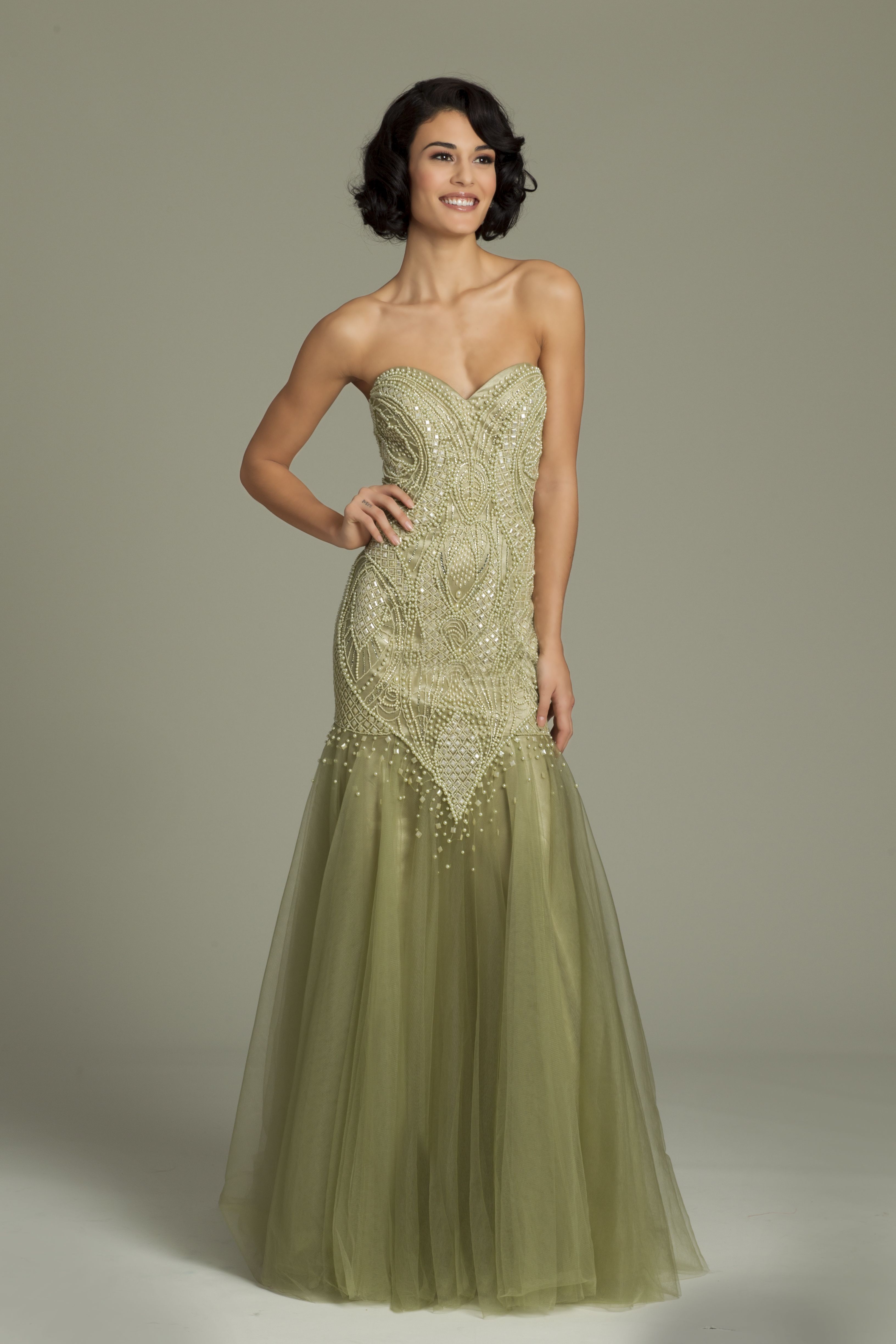
Creating an elegant evening gown requires a careful balance of several key elements, including fabric selection, silhouette, and embellishment. The choice of fabric plays a crucial role in determining the gown’s overall look and feel. Common materials used in evening gown tailoring include satin, tulle, lace, and chiffon, each offering unique textures and drape characteristics. Satin, for instance, provides a smooth and luxurious finish, making it ideal for formal events. Tulle adds volume and lightness, perfect for creating dramatic skirts. Lace, on the other hand, brings a sense of delicacy and romance, often used for bodices or sleeves. The silhouette of the gown is equally important, as it influences how the garment fits and moves. Popular styles include the A-line, mermaid, and ballgown cuts, each suited to different body types and preferences. Embellishments such as sequins, pearls, and hand-stitched details further enhance the gown’s visual appeal, adding a touch of glamour and individuality.
The Role of Tailoring in Enhancing Fit and Comfort
One of the most critical aspects of evening gown tailoring is ensuring a perfect fit. Unlike mass-produced garments, custom-made gowns are tailored to the specific measurements of the wearer, resulting in a more flattering and comfortable fit. Skilled tailors use techniques such as darting, pleating, and bias cutting to create a seamless silhouette that complements the body’s natural curves. These methods not only improve the appearance of the gown but also enhance its functionality, allowing for ease of movement and breathability. Additionally, tailors often incorporate hidden closures, adjustable straps, and flexible linings to ensure the gown remains comfortable throughout the evening. The attention to detail in the tailoring process ensures that the gown not only looks stunning but also feels effortless to wear.
Sustainable Practices in Modern Evening Gown Tailoring
As the fashion industry becomes increasingly conscious of its environmental impact, many tailors and designers are adopting sustainable practices in evening gown creation. This includes using organic fabrics, recycled materials, and eco-friendly dyes to reduce waste and minimize harm to the planet. Some designers are also focusing on creating versatile gowns that can be worn for multiple occasions, reducing the need for excessive consumption. Additionally, local sourcing of materials and ethical labor practices are becoming more prevalent, supporting both the environment and the communities involved in the production process. These sustainable approaches not only align with contemporary values but also add a layer of responsibility and integrity to the art of evening gown tailoring.
The Global Influence of Evening Gown Fashion
Evening gown tailoring has a significant impact on global fashion trends, influencing styles and aesthetics across different cultures. Designers from around the world bring their unique perspectives and traditions into the creation of these gowns, resulting in a diverse range of designs that reflect various cultural narratives. For example, Asian designers often incorporate elements of traditional textiles and patterns, while European tailors emphasize structure and precision. The fusion of these influences creates a rich tapestry of styles that cater to a wide audience of fashion enthusiasts. Moreover, international fashion weeks and red carpet events serve as platforms for showcasing these designs, further amplifying their reach and popularity. As a result, evening gowns have become a symbol of global fashion, bridging the gap between tradition and modernity.
