
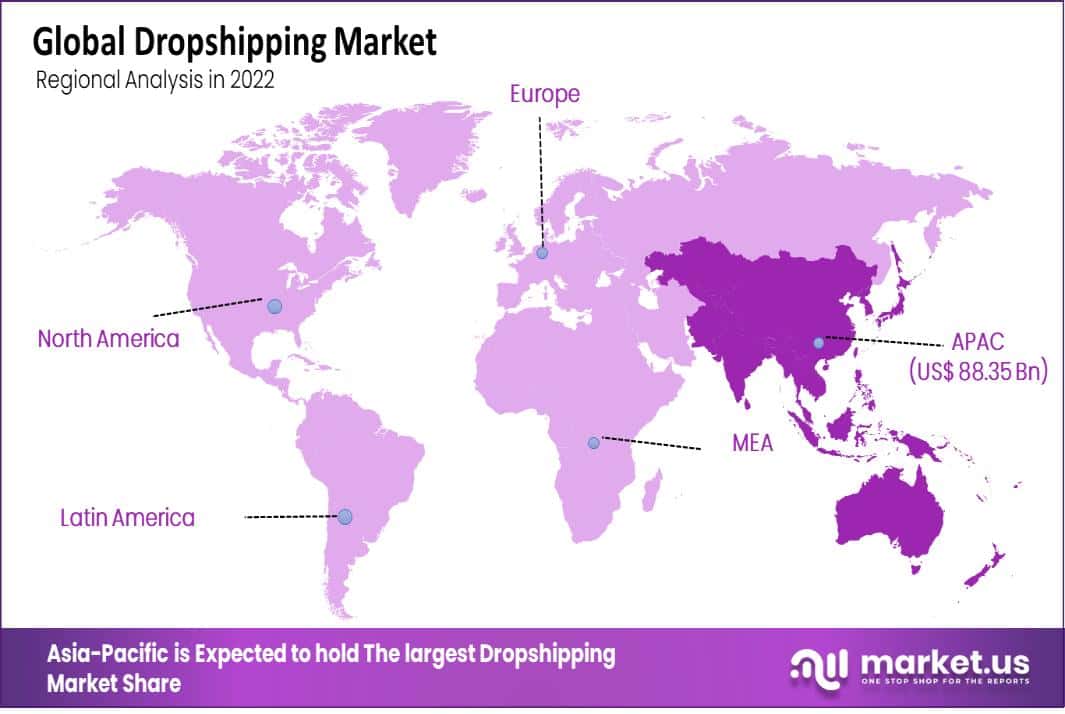
Global dropshipping garment service is transforming the e-commerce landscape by streamlining supply chains and reducing operational complexities for online retailers. This innovative model allows businesses to sell products without the need to hold inventory, enabling them to focus on marketing, customer acquisition, and brand development. As the demand for fast, flexible, and cost-effective solutions continues to rise, dropshipping has emerged as a game-changer in the fashion industry. By leveraging global networks of manufacturers and logistics providers, dropshipping garment services are redefining how clothing brands operate and scale their businesses.
The Rise of Dropshipping in the Fashion Industry
The fashion sector has traditionally been characterized by long lead times, high overhead costs, and the risk of overstocking. However, the advent of dropshipping has introduced a more agile approach to retailing. With a global dropshipping garment service, retailers can offer a wide range of clothing items from various suppliers around the world, all without the burden of managing physical inventory. This shift has not only lowered entry barriers for new entrepreneurs but also enabled established brands to test new markets with minimal financial risk.
One of the key advantages of this model is its scalability. A small online store can now access a vast array of garments from different regions, allowing it to cater to diverse customer preferences and trends. Additionally, the ability to quickly respond to changing fashion cycles ensures that businesses remain competitive in an ever-evolving market.
How Dropshipping Garment Services Work
The process of dropshipping garments typically involves three main parties: the retailer, the supplier, and the customer. When a customer places an order on the retailer’s website, the retailer forwards the order to the supplier, who then ships the product directly to the customer. This eliminates the need for the retailer to handle inventory, packaging, or shipping, significantly reducing operational costs and time.
For garment suppliers, the dropshipping model offers a way to reach a broader audience while maintaining control over production and quality. Many global dropshipping services provide tools that allow suppliers to manage orders, track shipments, and update product listings in real-time. This level of automation ensures a seamless experience for both the retailer and the end consumer.
Benefits for Retailers and Consumers
From a business perspective, the benefits of using a global dropshipping garment service are numerous. Retailers can save on storage costs, reduce the risk of unsold inventory, and expand their product offerings without significant upfront investment. Moreover, the ability to source garments from different countries allows for greater variety and customization, which can enhance the shopping experience for customers.
Consumers, on the other hand, benefit from access to a wider range of styles, sizes, and price points. With dropshipping, online stores can offer niche or limited-edition collections that might not be available through traditional retail channels. This flexibility empowers consumers to find unique products that align with their personal style and values.
Challenges and Considerations
Despite its many advantages, dropshipping garment services are not without challenges. One of the primary concerns is the potential for lower profit margins due to competition among suppliers. Additionally, issues such as shipping delays, quality inconsistencies, and lack of brand control can impact customer satisfaction. To mitigate these risks, retailers must carefully select reliable suppliers and establish clear communication channels.
Another challenge is the need for effective inventory management. While dropshipping eliminates the need for physical stock, it requires constant monitoring of product availability, pricing, and supplier performance. Retailers should invest in robust software tools that provide real-time insights into their operations and help them make informed decisions.
The Future of E-Commerce with Dropshipping
As technology continues to advance, the future of e-commerce looks increasingly promising for dropshipping garment services. Innovations in artificial intelligence, data analytics, and blockchain are expected to further enhance transparency, efficiency, and security within the supply chain. These developments will enable businesses to offer even more personalized experiences while maintaining cost-effectiveness.
Moreover, the growing emphasis on sustainability is likely to influence the evolution of dropshipping. Consumers are becoming more conscious of their purchasing habits, and businesses that prioritize eco-friendly practices and ethical sourcing will gain a competitive edge. By integrating sustainable practices into their operations, dropshipping garment services can appeal to a broader audience and contribute to a more responsible fashion industry.
In conclusion, the global dropshipping garment service is reshaping the e-commerce supply chain by offering a flexible, scalable, and cost-effective solution for retailers and consumers alike. As the industry continues to evolve, businesses that embrace this model will be well-positioned to thrive in an increasingly digital and interconnected world.
