
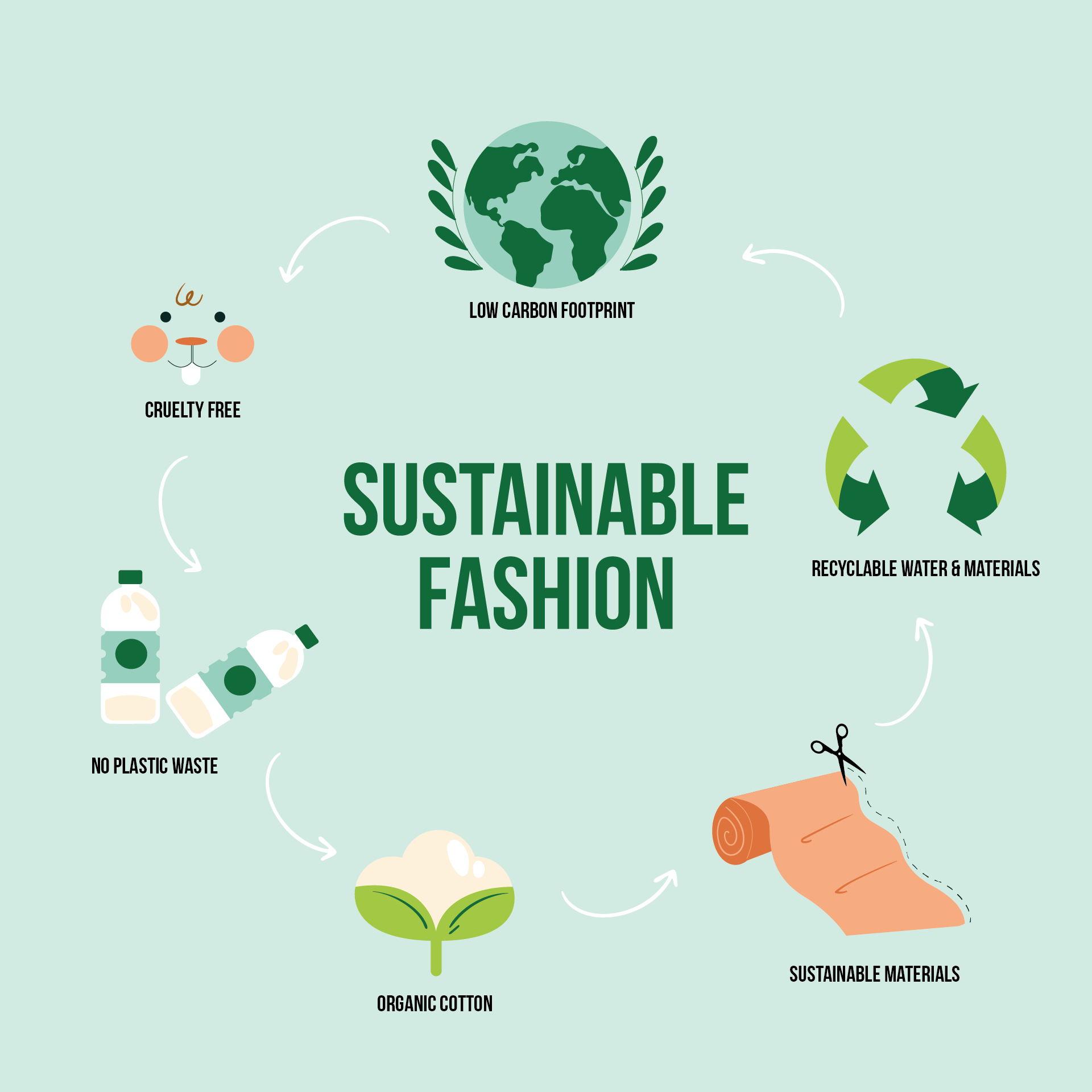
Global Guide to Sustainable Fashion: Top Garment Repair Services Around the World has become an essential resource for eco-conscious consumers seeking to extend the life of their clothing. As the fashion industry grapples with environmental concerns, sustainable practices like garment repair are gaining momentum. This guide highlights some of the most reputable and innovative repair services across the globe, offering a blend of tradition and modernity in the pursuit of a greener wardrobe.
The Rise of Sustainable Fashion Practices
Sustainable fashion is no longer a niche movement but a growing necessity in the face of climate change and overconsumption. According to the Ellen MacArthur Foundation, the fashion industry produces 1.5 million tons of waste annually, with only 1% being recycled. In response, many individuals and businesses are turning to garment repair as a practical solution. Repairing clothes not only reduces textile waste but also fosters a deeper connection between people and their clothing.
In this context, repair services have emerged as key players in the sustainability landscape. These services offer skilled craftsmanship, often using traditional techniques passed down through generations, alongside modern innovations. From mending torn seams to replacing buttons and reworking outdated designs, these experts help keep garments functional and stylish for years.
Europe: A Hub for Timeless Repair Traditions
Europe has long been a leader in sustainable fashion, with countries like the UK, France, and Germany embracing repair culture as part of their heritage. In London, stores such as The Renewal Workshop and Mend It specialize in repairing high-end and everyday clothing. These services not only provide quality repairs but also educate customers on how to care for their garments to prolong their lifespan.
France’s Répar’Actif is another standout, combining local craftsmanship with digital platforms to connect customers with certified repair professionals. Similarly, in Germany, Klartext offers a range of repair options, from minor fixes to full restorations, emphasizing the value of durable, well-made clothing. These services reflect a broader cultural shift toward valuing quality over quantity.
North America: Innovation Meets Sustainability
North America has seen a surge in repair-focused initiatives, driven by both consumer demand and environmental awareness. In the United States, The Seam operates in cities like New York and San Francisco, offering in-store and online repair services. Their mission is to reduce waste by making it easy for people to fix their clothes instead of discarding them.
Canada’s Re:New is another example of a service that blends innovation with sustainability. By partnering with local tailors and designers, they provide customized repairs and upcycling options. This approach not only supports small businesses but also encourages creative reuse of materials.
In addition, online platforms like ThredUp and Good On You have expanded the reach of repair services by connecting users with local experts. These digital tools make it easier than ever to find and access repair options, regardless of location.
Asia: Balancing Tradition and Modernity
Asia is home to some of the oldest and most respected repair traditions, with countries like Japan and India leading the way. In Japan, Kintsugi—the art of repairing broken pottery with gold—is a metaphor for the philosophy of embracing imperfections. While traditionally applied to ceramics, this concept has influenced modern garment repair, where visible mending is celebrated as part of a garment’s history.
India’s Himalaya Tailors and Dharni are examples of businesses that combine traditional craftsmanship with contemporary needs. These services offer everything from simple button replacements to intricate embroidery work, ensuring that garments remain relevant and wearable.
Meanwhile, in South Korea, the rise of “slow fashion” has led to an increase in repair shops and secondhand markets. Brands like Lush and Second Hand Story are helping to normalize the idea of repairing and reusing clothing, aligning with global sustainability goals.
Africa and Latin America: Emerging Repair Ecosystems
While still in its early stages, the repair movement is gaining traction in Africa and Latin America. In Kenya, organizations like Wear the Change are promoting sustainable fashion through education and repair workshops. These initiatives empower local communities by teaching them how to maintain and repair their clothing, reducing reliance on fast fashion.
In Brazil, Fazenda do Pano and Recicla Moda are working to create a circular economy by repurposing discarded fabrics and offering repair services. These efforts not only address environmental concerns but also support local artisans and small-scale businesses.
Conclusion: A Call to Action for Consumers
As the world becomes more aware of the environmental impact of the fashion industry, the importance of garment repair cannot be overstated. By supporting repair services, consumers can play a vital role in reducing waste and promoting sustainability. Whether through traditional methods or modern innovations, these services offer a practical and meaningful way to engage with fashion responsibly.
By choosing to repair rather than replace, individuals contribute to a larger movement that values longevity, quality, and environmental stewardship. With the right resources and support, sustainable fashion can become the norm, not the exception.
