
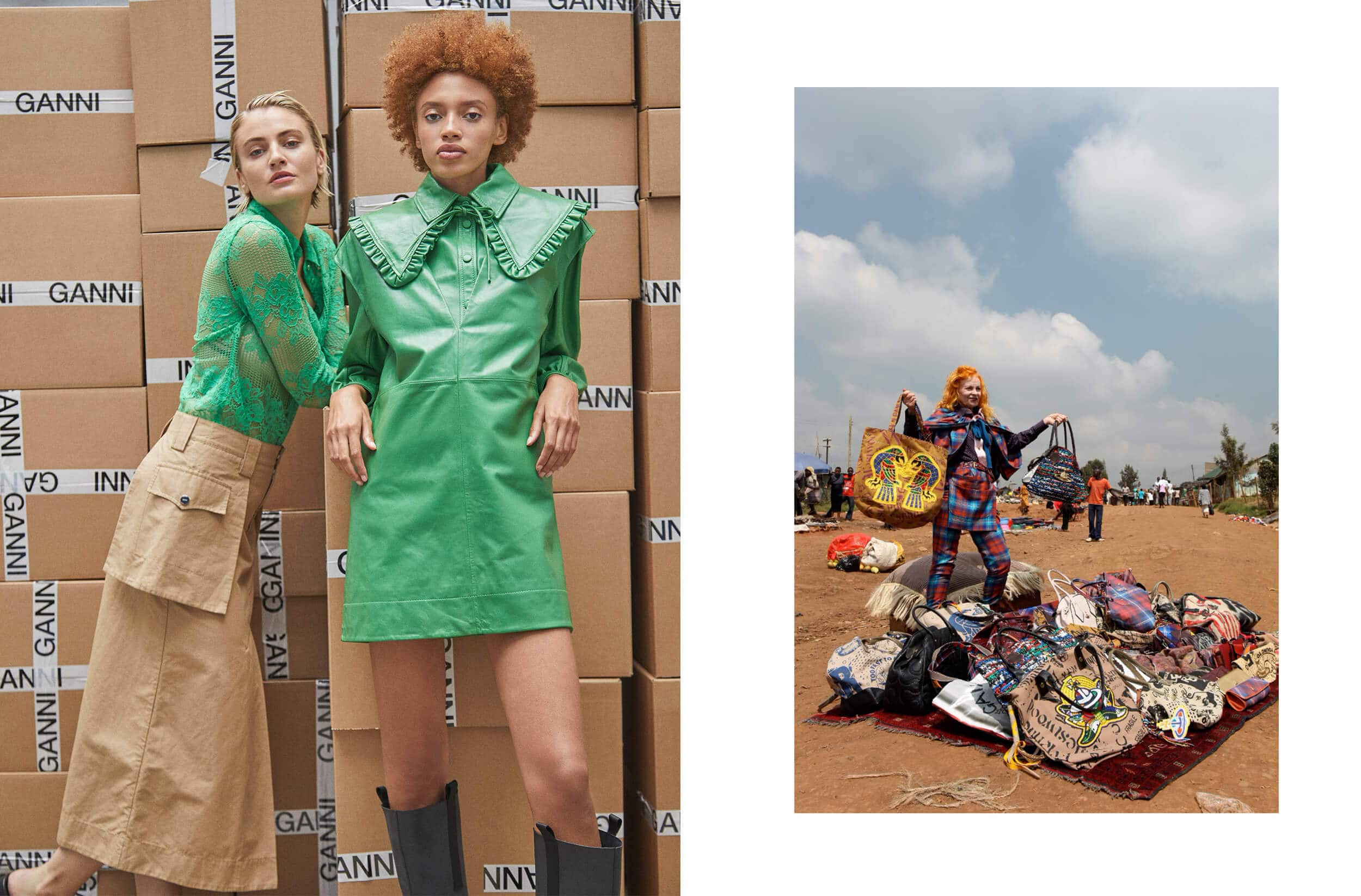
Global Trends in Fashion & Apparel 2025: What’s Hot Across the World is shaping up to be a year of bold statements, sustainable innovation, and cultural fusion. As the fashion industry continues to evolve, designers and brands are responding to shifting consumer preferences, technological advancements, and environmental concerns. From streetwear to haute couture, the global fashion landscape is witnessing a dynamic transformation that reflects both the challenges and opportunities of the modern era. This article explores the most prominent trends that are defining the fashion scene in 2025, highlighting how different regions are contributing to this ever-changing narrative.
Sustainable Fashion Takes Center Stage
One of the most significant shifts in the fashion industry this year is the growing emphasis on sustainability. Consumers are becoming more conscious of their purchasing decisions, demanding transparency from brands and favoring eco-friendly materials. In Europe, for instance, the rise of circular fashion has led to an increase in rental services, second-hand marketplaces, and clothing recycling initiatives. Brands like Stella McCartney and Patagonia have been at the forefront of this movement, but even fast-fashion giants are starting to incorporate sustainable practices into their operations.
In Asia, countries like Japan and South Korea are leading the way with innovative approaches to sustainability. Japanese designers are experimenting with biodegradable fabrics and zero-waste production techniques, while Korean brands are leveraging technology to create smart textiles that reduce environmental impact. The trend is not just about materials; it’s also about the entire supply chain, with many companies adopting carbon-neutral manufacturing processes and ethical labor practices.
Cultural Fusion and Global Influences
Another key trend in 2025 is the increasing influence of cultural fusion in fashion design. As globalization continues to connect people across the world, fashion is becoming a medium for cross-cultural expression. Designers are drawing inspiration from traditional garments, patterns, and craftsmanship from various regions, blending them with contemporary aesthetics.
In Africa, the resurgence of indigenous textiles such as Ankara and Kente has captured the attention of international audiences. African designers are gaining recognition for their unique ability to merge traditional elements with modern silhouettes, creating a fresh and vibrant look that resonates globally. Similarly, in Latin America, there is a growing appreciation for indigenous weaving techniques and natural dyes, which are being incorporated into mainstream fashion collections.
This trend is not limited to specific regions; it is a global phenomenon. In North America and Europe, designers are increasingly incorporating elements from Asian and Middle Eastern cultures into their work, resulting in a more diverse and inclusive fashion landscape. The result is a rich tapestry of styles that reflect the interconnected nature of the modern world.
Technology-Driven Fashion
The integration of technology into fashion is another major trend in 2025. From smart fabrics to augmented reality (AR) shopping experiences, technology is reshaping how we interact with clothing. Wearable technology, such as temperature-regulating fabrics and health-monitoring garments, is becoming more mainstream, especially in the sportswear and luxury segments.
In addition, digital fashion is gaining traction, with virtual clothing and NFT-based fashion items making waves in the metaverse. Platforms like Decentraland and The Sandbox are hosting virtual fashion shows, allowing users to showcase digital outfits that can be worn in online spaces. This trend is particularly popular among younger generations who are more tech-savvy and open to new forms of self-expression.
Moreover, AI-driven personalization is transforming the retail experience. Brands are using data analytics and machine learning to offer tailored recommendations, creating a more personalized shopping journey for consumers. This level of customization is not only enhancing customer satisfaction but also reducing waste by ensuring that products are designed and produced based on real consumer demand.
Streetwear and Athleisure Dominance
Streetwear and athleisure continue to dominate the fashion scene in 2025, with a strong presence across all continents. The blurring lines between casual and formal wear have led to a surge in versatile, comfortable clothing that can be worn in multiple settings. Brands like Nike, Adidas, and Supreme have maintained their relevance by constantly innovating and collaborating with artists and designers.
In urban centers around the world, streetwear culture is thriving, with local designers and influencers playing a crucial role in shaping the trend. In cities like New York, Tokyo, and São Paulo, streetwear is not just a fashion statement but a form of identity and community. The popularity of oversized T-shirts, graphic prints, and sneakers remains strong, but there is also a growing interest in more refined versions of streetwear that blend functionality with style.
Athleisure, on the other hand, has evolved beyond its initial focus on fitness. It now encompasses a wide range of clothing that combines comfort and style, making it suitable for everyday wear. This trend is particularly appealing to busy professionals and millennials who value both practicality and aesthetics in their wardrobes.
The Rise of Personalized and Customizable Fashion
As consumers become more individualistic, there is a growing demand for personalized and customizable fashion. This trend is being driven by advancements in 3D printing, digital embroidery, and on-demand manufacturing. Customers can now design their own clothes, choose specific colors, patterns, and fits, and have them produced quickly and efficiently.
Brands like Zara and H&M have introduced customization options through their online platforms, allowing customers to personalize items before purchase. Meanwhile, smaller independent designers are using social media and e-commerce to offer bespoke services, creating a direct connection between creators and consumers. This shift towards personalization is not only empowering individuals but also fostering a more inclusive and diverse fashion industry.
