
Global Trends in Fashion Design Service: Innovations Shaping the Industry Worldwide are rapidly evolving, driven by technological advancements, changing consumer behaviors, and a growing emphasis on sustainability. As the fashion industry becomes more interconnected, design services are adapting to meet the demands of a global market. From digital prototyping to AI-driven customization, these innovations are redefining how fashion is conceptualized, created, and consumed. This article explores the key trends shaping the future of fashion design services across the world.
The Rise of Digital Tools in Fashion Design
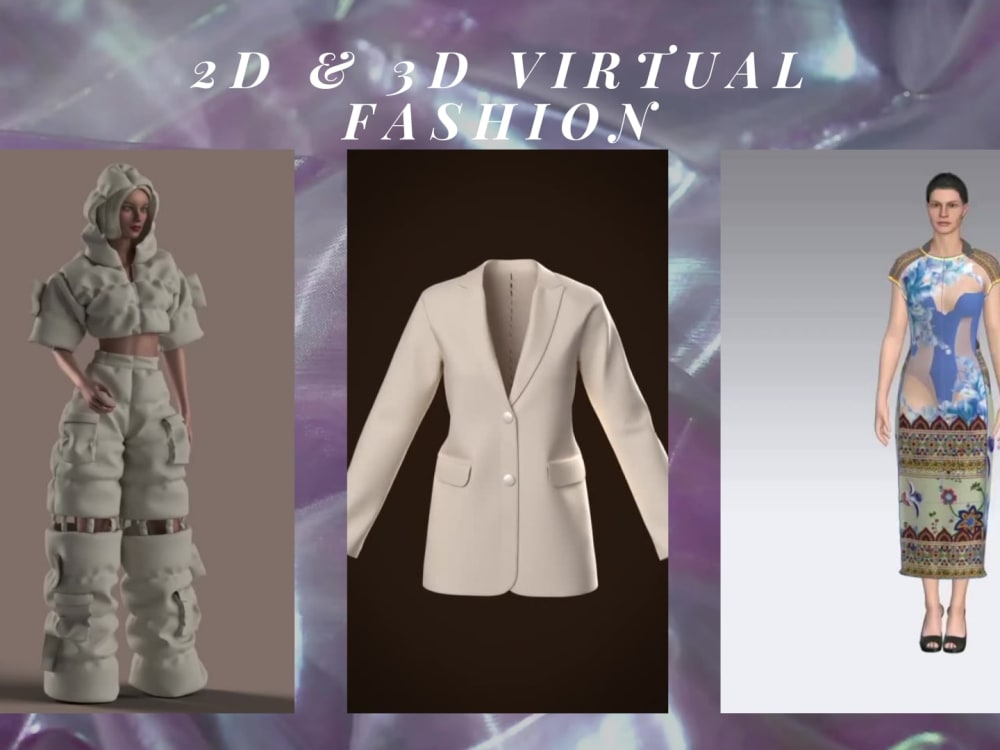
The integration of digital tools into fashion design has revolutionized the way designers work. Software such as Adobe Illustrator, CLO 3D, and Browzwear allows for virtual garment creation, reducing the need for physical samples and streamlining the production process. These tools enable designers to visualize their creations in real-time, making it easier to iterate on designs and collaborate with teams across different locations. Additionally, 3D modeling and augmented reality (AR) are being used to create immersive shopping experiences, allowing consumers to try on clothes virtually before purchasing. This shift towards digitalization not only enhances efficiency but also reduces waste and costs associated with traditional methods.
Artificial Intelligence and Personalization
Artificial intelligence (AI) is playing an increasingly significant role in fashion design services. Machine learning algorithms are being used to analyze consumer data, identify emerging trends, and even generate new design concepts. For instance, brands like H&M and Zara have started using AI to predict what styles will be popular in specific regions, enabling them to tailor their collections accordingly. Moreover, AI-powered personalization tools are helping customers find outfits that match their preferences, creating a more engaging and customized shopping experience. This level of personalization is not only improving customer satisfaction but also driving sales and brand loyalty.
Sustainability as a Core Value
Sustainability has become a central focus in the fashion industry, and design services are no exception. With increasing awareness of environmental issues, many designers and brands are adopting eco-friendly practices, such as using recycled materials, implementing zero-waste patterns, and promoting slow fashion. In response to this demand, fashion design services are offering sustainable design solutions that align with these values. For example, some companies now provide virtual fabric libraries made from organic or recycled textiles, allowing designers to create sustainable collections without compromising on quality or aesthetics. This shift towards sustainability is not only beneficial for the planet but also resonates with a growing number of conscious consumers.
Collaborative Platforms and Remote Work
The rise of collaborative platforms has transformed the way fashion designers work, especially in the wake of the global pandemic. Tools like Figma, Slack, and Trello enable designers to work remotely, share ideas in real-time, and manage projects efficiently. This has led to a more inclusive and diverse design ecosystem, where talent from different parts of the world can contribute to a single project. Furthermore, online marketplaces such as Etsy and Shopify have empowered independent designers to reach a global audience, bypassing traditional retail channels. These platforms are fostering innovation and creativity, allowing new voices to emerge in the fashion industry.
The Impact of Social Media on Design Trends
Social media has had a profound impact on fashion design, influencing everything from color palettes to silhouettes. Platforms like Instagram, TikTok, and Pinterest serve as powerful tools for trend forecasting, allowing designers to stay ahead of the curve. Influencers and content creators play a crucial role in shaping consumer preferences, often collaborating with designers to create exclusive collections. This dynamic relationship between social media and fashion design has accelerated the pace at which trends emerge and evolve, making it essential for design services to remain agile and responsive to changing tastes.
Conclusion
The global trends in fashion design service are reshaping the industry in ways that were unimaginable just a few years ago. From digital tools and AI-driven personalization to sustainability and collaborative platforms, these innovations are driving efficiency, creativity, and inclusivity. As the fashion landscape continues to evolve, design services must adapt to meet the needs of a rapidly changing market. By embracing these trends, the industry can not only thrive but also contribute to a more sustainable and connected world.
