
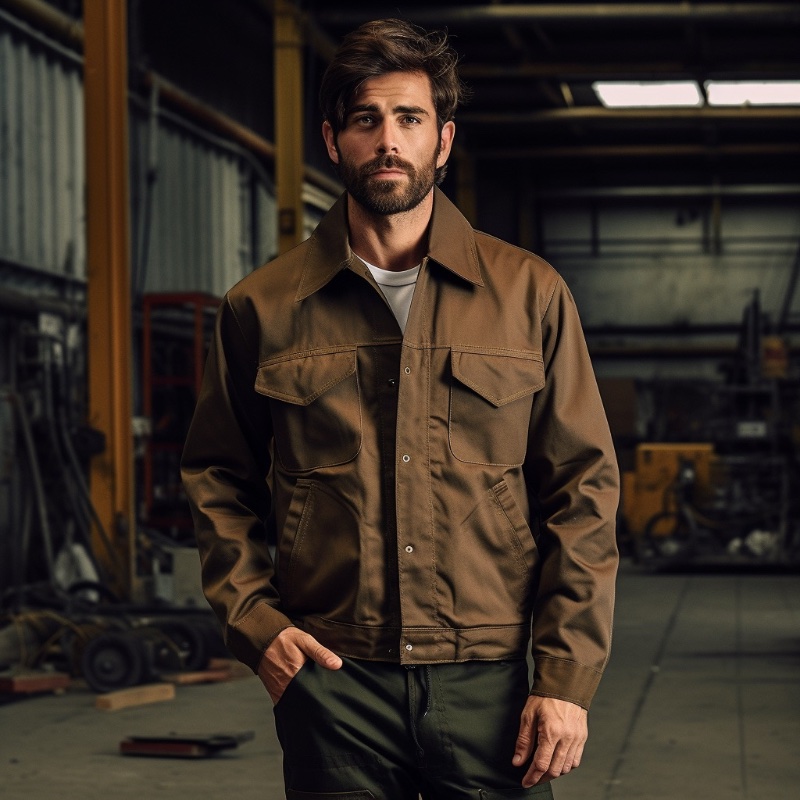
Global Trends in Uniform & Workwear: Stylish Solutions for Every Industry are reshaping the way professionals across various sectors approach their attire. As businesses increasingly recognize the importance of a cohesive and professional appearance, the demand for stylish yet functional uniforms has surged. This evolution is not just about aesthetics; it’s about creating an environment where employees feel confident and companies maintain a strong brand identity. From healthcare to hospitality, from construction to corporate offices, the uniform landscape is undergoing a significant transformation.
The Rise of Functional Fashion
In recent years, the concept of “functional fashion” has gained traction, blending practicality with style. Modern workwear is no longer confined to basic, utilitarian designs. Instead, it now incorporates elements such as moisture-wicking fabrics, ergonomic cuts, and breathable materials that cater to the specific needs of different industries. For instance, healthcare workers benefit from uniforms that are both comfortable and easy to clean, while construction workers require durable, high-visibility gear that ensures safety on-site. These advancements reflect a growing awareness of the role that clothing plays in employee well-being and productivity.
Industry-Specific Innovations
Each industry has its own unique requirements when it comes to uniform design, and manufacturers are responding with tailored solutions. In the hospitality sector, for example, uniforms are designed to reflect the brand’s identity while also being practical for long shifts. Restaurants and hotels often opt for sleek, modern designs that make staff easily identifiable while maintaining a professional look. Similarly, in the retail industry, uniforms are crafted to align with the brand’s aesthetic, helping to create a consistent customer experience.
In the corporate world, there is a shift towards more casual yet polished attire. Many companies are moving away from traditional business suits and embracing smart-casual wear that allows for greater comfort without compromising professionalism. This trend is particularly evident in tech companies and startups, where a relaxed dress code fosters creativity and innovation.
Sustainability and Ethical Production
Another major trend shaping the uniform and workwear market is sustainability. Consumers and businesses alike are becoming more conscious of the environmental impact of their choices. As a result, many brands are now offering eco-friendly alternatives made from recycled materials or organic fabrics. These sustainable options not only reduce waste but also appeal to a growing number of environmentally aware consumers.
Moreover, ethical production practices are gaining importance. Companies are increasingly prioritizing fair labor conditions and transparency in their supply chains. This shift reflects a broader movement towards responsible consumption, where both the end-user and the workers involved in the production process are valued.
Technology Integration
The integration of technology into workwear is another exciting development. Smart fabrics embedded with sensors can monitor vital signs, track movement, or even adjust temperature based on environmental conditions. These innovations are particularly beneficial in industries such as manufacturing and logistics, where worker safety and efficiency are paramount. Additionally, RFID tags and other tracking technologies are being used to streamline inventory management and enhance security.
The Role of Customization
Customization has become a key factor in the modern uniform market. Businesses are no longer satisfied with off-the-rack solutions and are opting for personalized designs that reflect their brand identity. From embroidered logos to custom color schemes, the ability to tailor uniforms ensures that they align with the company’s image while meeting the specific needs of the workforce. This level of customization not only enhances brand visibility but also fosters a sense of unity among employees.
Conclusion
The global trends in uniform and workwear are a testament to the evolving relationship between fashion, function, and identity. As industries continue to adapt to new challenges and opportunities, the demand for stylish, functional, and sustainable workwear will only grow. Whether it’s through innovative fabric technology, industry-specific designs, or a commitment to ethical practices, the future of workwear looks promising. By embracing these trends, businesses can create a more cohesive, efficient, and visually appealing workplace that benefits both employees and the organization as a whole.
