
The world of fashion is ever-evolving, and one of the most versatile and popular items in any wardrobe is the hoodie. Whether you’re looking for comfort, style, or a way to express your brand, custom hoodies have become a staple in the global market. From small independent designers to large multinational corporations, the demand for personalized clothing has never been higher. This guide delves into the intricacies of custom hoodie manufacturing worldwide, exploring the key players, production processes, and the factors that influence quality and cost.
Understanding the Global Custom Hoodie Market
Custom hoodie manufacturing is a multi-billion-dollar industry, with countries like China, India, and the United States leading the way in production and innovation. These regions offer a combination of skilled labor, advanced technology, and competitive pricing, making them ideal hubs for manufacturers. However, the market is not limited to these countries alone. Emerging economies such as Vietnam, Mexico, and Poland are also gaining traction due to their growing textile industries and favorable business environments.
One of the primary reasons for the popularity of custom hoodies is their adaptability. They can be tailored to fit various styles, from casual streetwear to high-end designer collections. The ability to print logos, slogans, and intricate designs on these garments makes them an excellent marketing tool for businesses and a personal expression for individuals. As a result, manufacturers must stay ahead of trends and invest in technologies that allow for quick turnaround times and high-quality results.
Key Players in Custom Hoodie Manufacturing
Several companies have established themselves as leaders in the custom hoodie manufacturing space. In the United States, brands like American Apparel and Hanes have long been known for their quality and reliability. Meanwhile, in Asia, companies such as Sino Textile and Guangdong-based manufacturers dominate the market, offering a wide range of options at competitive prices. Europe also plays a significant role, with brands like C&A and Zara incorporating custom elements into their supply chains.
However, it’s not just large corporations that benefit from this industry. Small-scale manufacturers and local artisans are also finding ways to thrive by leveraging online platforms and direct-to-consumer models. E-commerce sites like Etsy and Shopify have enabled independent designers to reach a global audience, allowing them to create unique, customized hoodies that cater to niche markets.
Production Processes and Quality Control
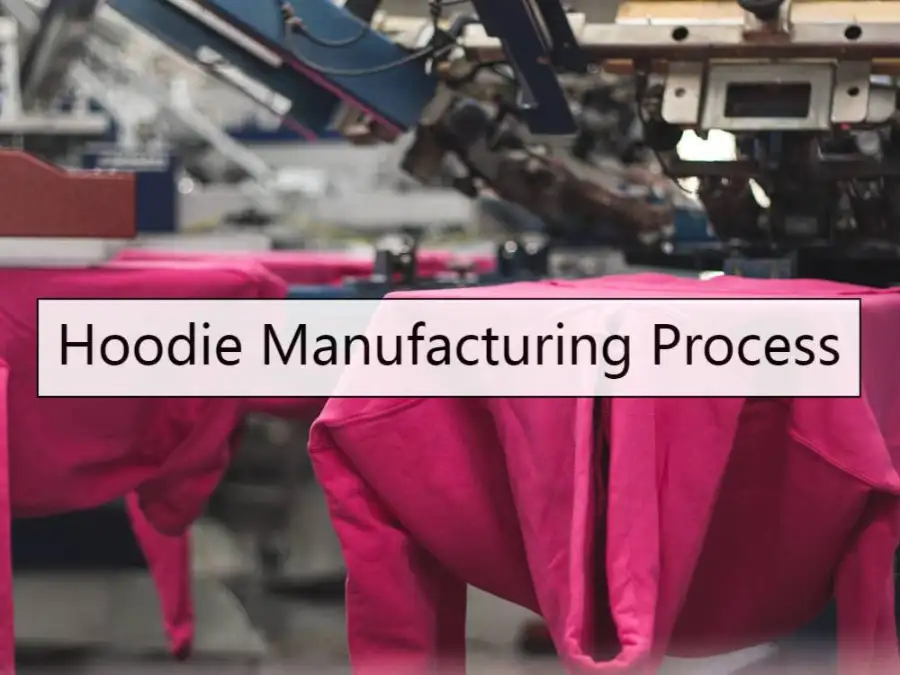
The manufacturing of custom hoodies involves several stages, starting with the selection of materials. High-quality cotton blends, organic fabrics, and synthetic alternatives are commonly used, depending on the desired outcome. Once the fabric is chosen, the design is printed using methods such as screen printing, digital printing, or heat transfer. Each method has its advantages and limitations, and the choice often depends on the complexity of the design and the volume of the order.
Quality control is a critical aspect of the manufacturing process. Reputable manufacturers implement rigorous checks at every stage, from fabric inspection to final product testing. This ensures that the hoodies meet industry standards and customer expectations. Additionally, certifications such as ISO 9001 and Fair Trade play a vital role in building trust and credibility in the global market.
Cost Considerations and Pricing Strategies
When it comes to custom hoodie manufacturing, cost is a major factor that influences decision-making. While some manufacturers offer low prices, it’s essential to consider the long-term value and quality of the product. Factors such as material quality, printing techniques, and labor costs all contribute to the final price.
For businesses, bulk orders often come with discounts, making it more cost-effective to produce larger quantities. On the other hand, individual buyers may find it more affordable to purchase from local manufacturers or online retailers that offer customizable options without the need for minimum order quantities. It’s also worth noting that shipping and import duties can add to the overall cost, especially when ordering from international suppliers.
Sustainability and Ethical Manufacturing
As consumer awareness of environmental and ethical issues grows, many manufacturers are adapting their practices to align with sustainable and responsible production. This includes using eco-friendly materials, reducing water and energy consumption, and ensuring fair wages for workers. Brands that prioritize sustainability often attract a loyal customer base and gain a competitive edge in the market.
In addition, some companies are adopting circular economy principles, such as recycling old garments and offering repair services. These initiatives not only reduce waste but also extend the lifespan of custom hoodies, making them a more attractive option for environmentally conscious consumers.
Conclusion
Custom hoodie manufacturing is a dynamic and growing industry that offers endless possibilities for both businesses and individuals. With the right approach, manufacturers can navigate the complexities of global production while delivering high-quality, personalized products. Whether you’re a designer looking to launch a new collection or a company seeking to enhance your brand presence, understanding the nuances of this industry is essential. By staying informed and making strategic choices, you can ensure that your custom hoodies stand out in a crowded market and meet the needs of your target audience.
