
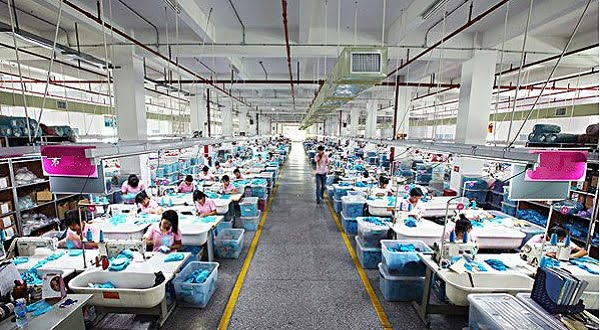
Small batch garment production has emerged as a game-changer in the global fashion industry, offering a flexible and efficient alternative to traditional mass manufacturing. As international markets become increasingly competitive and consumer demands more diverse, businesses are turning to small batch production to stay agile, reduce waste, and meet specific market needs. This approach not only allows for greater customization but also enables brands to respond quickly to trends without the burden of overproduction. In this article, we explore how small batch garment production is reshaping the landscape of international fashion, highlighting its benefits, challenges, and future potential.
The Rise of Small Batch Garment Production
The shift towards small batch garment production is driven by several factors, including changing consumer behavior, sustainability concerns, and technological advancements. Today’s consumers are more informed and discerning, seeking unique, high-quality products that align with their values. Mass production, while cost-effective, often results in generic designs and excess inventory, leading to environmental waste and financial losses. In contrast, small batch production allows for tailored offerings that resonate with niche markets, fostering brand loyalty and customer satisfaction.
Moreover, the rise of e-commerce and digital platforms has made it easier for brands to reach global audiences without the need for large-scale manufacturing. Online marketplaces and direct-to-consumer models enable companies to test new designs, gather feedback, and scale production based on real-time demand. This data-driven approach minimizes risk and maximizes efficiency, making small batch production an attractive option for both established and emerging brands.
Key Benefits of Small Batch Garment Production
There are numerous advantages to adopting small batch garment production, particularly for businesses operating in international markets. One of the most significant benefits is reduced lead time. Unlike traditional manufacturing, which involves lengthy planning and production cycles, small batch production allows for quicker turnaround times. This agility is crucial in fast-paced industries where trends change rapidly and timing is everything.
Another advantage is lower inventory costs. By producing only what is needed, brands can avoid the financial strain of holding excess stock. This is especially beneficial for international operations, where shipping and storage costs can be substantial. Additionally, small batch production reduces the environmental impact of overproduction, aligning with the growing demand for sustainable fashion practices.
Furthermore, small batch production supports customization and personalization. With the help of advanced technologies such as 3D printing, digital embroidery, and automated cutting systems, brands can create bespoke garments that cater to specific customer preferences. This level of customization enhances the shopping experience and differentiates a brand in a crowded market.
Challenges and Considerations
Despite its many benefits, small batch garment production is not without its challenges. One of the primary obstacles is the higher per-unit cost compared to mass production. Smaller quantities mean that fixed costs, such as design and setup, are spread over fewer items, resulting in increased pricing. For some businesses, this can make it difficult to compete with larger manufacturers that offer lower prices.
Another challenge is maintaining consistent quality across smaller batches. Without the same level of automation and standardization as mass production, there is a risk of variability in product quality. To mitigate this, brands must invest in skilled labor, rigorous quality control processes, and reliable suppliers.
Additionally, scaling up from small batch to larger production requires careful planning. While small batch production offers flexibility, transitioning to mass production can be complex and costly. Brands must ensure that their supply chains are robust and capable of handling increased demand without compromising efficiency or quality.
The Role of Technology in Small Batch Production
Technology plays a pivotal role in enabling the success of small batch garment production. Digital tools such as computer-aided design (CAD), virtual sampling, and automated pattern-making streamline the design and production process, reducing both time and costs. These innovations allow brands to create accurate prototypes and make adjustments before committing to full production, minimizing errors and waste.
In addition, cloud-based platforms and enterprise resource planning (ERP) systems facilitate collaboration between designers, manufacturers, and suppliers, ensuring seamless communication and coordination. This is particularly important for international operations, where teams may be spread across different time zones and regions.
Artificial intelligence (AI) and machine learning are also being leveraged to forecast demand, optimize production schedules, and enhance customer experiences. By analyzing data from past sales and market trends, brands can make informed decisions about which products to produce and in what quantities. This data-driven approach not only improves efficiency but also increases the likelihood of success in international markets.
Future Outlook for Small Batch Garment Production
As the fashion industry continues to evolve, small batch garment production is poised to play an even greater role in shaping the future of international markets. With increasing emphasis on sustainability, personalization, and agility, brands that embrace this model will be better positioned to meet the demands of modern consumers.
Moreover, the integration of emerging technologies such as blockchain for supply chain transparency and augmented reality for virtual try-ons will further enhance the appeal of small batch production. These innovations will not only improve operational efficiency but also create new opportunities for engagement and innovation.
In conclusion, small batch garment production offers a compelling solution for businesses looking to thrive in the dynamic and competitive international fashion market. By prioritizing flexibility, sustainability, and customer-centric approaches, brands can unlock new possibilities and drive long-term success.
